Quick answer
A sole trader business loan is assessed on you and your ABN together, because legally you are the business. Lenders usually want ID, your ABN, 6 to 12 months of bank statements and, for larger amounts, recent tax returns. Unsecured loans suit smaller needs; property can support larger ones. Clean banking and up-to-date BAS lodgements make the biggest difference.
Key points
- You and the business are one borrower, so your credit file matters.
- Bank statements are often enough for smaller unsecured amounts.
- A separate business account makes assessment much easier.
- Property can support larger amounts if you own it.
- Borrower
- You personally, trading under your ABN
- Paperwork
- ID, ABN, bank statements, BAS if registered
- Common uses
- Tools, vehicles, stock, cash flow
- Watch for
- Mixed personal and business spending
Being a sole trader is the simplest way to run a business in Australia, and it shapes how lenders see you. There’s no company standing between you and the loan. Legally, you are the business, so a lender assessing your application is assessing you: your ABN, your bank account, your credit history and your plans.
That’s not a disadvantage. It just means the things lenders check are a little more personal.
How lenders see sole traders
A company loan is made to the company, usually with a director’s guarantee. A sole trader loan is made to you directly. That changes three things:
- Your personal credit file counts. Late payments on a phone plan or a car loan show up in the assessment.
- Your household and business finances blur together. Lenders want to see how much the business earns after you’ve lived on it.
- Your trading history is your ABN history. How long the ABN has been active, and whether it’s been used continuously, matters.
What you’ll usually need
| Amount and type | Typical paperwork |
|---|---|
| Smaller unsecured loan | ID, ABN, 6 to 12 months of bank statements |
| Larger unsecured loan | The above plus a recent BAS or tax return |
| Property-backed loan | ID, ABN, property details, a repayment plan |
| Full doc loan | Two years of personal tax returns with business schedules |
If your returns are behind, a bank statement loan or an accountant’s letter can fill the gap.
What sole traders usually borrow for
- A new or second vehicle for the business.
- Tools and equipment, from a laptop to a mini excavator.
- Stock ahead of a busy season.
- Covering a gap while you wait for large invoices to be paid.
- Fit-out or setup costs for a new site or second van.
Each of these has a natural fit. Vehicles and equipment can often be secured against the item itself. Cash flow gaps suit an unsecured business loan or a line of credit.
The one thing that helps most
Run your business through its own bank account. It’s the single biggest improvement most sole traders can make before applying. When every customer payment and every business expense goes through one account, a lender can see what the business earns in minutes. When it’s mixed with groceries, school fees and the mortgage, they have to guess, and lenders guess conservatively. Our guide to separating business and personal banking shows how to do it without disrupting your customers.
An illustrative example
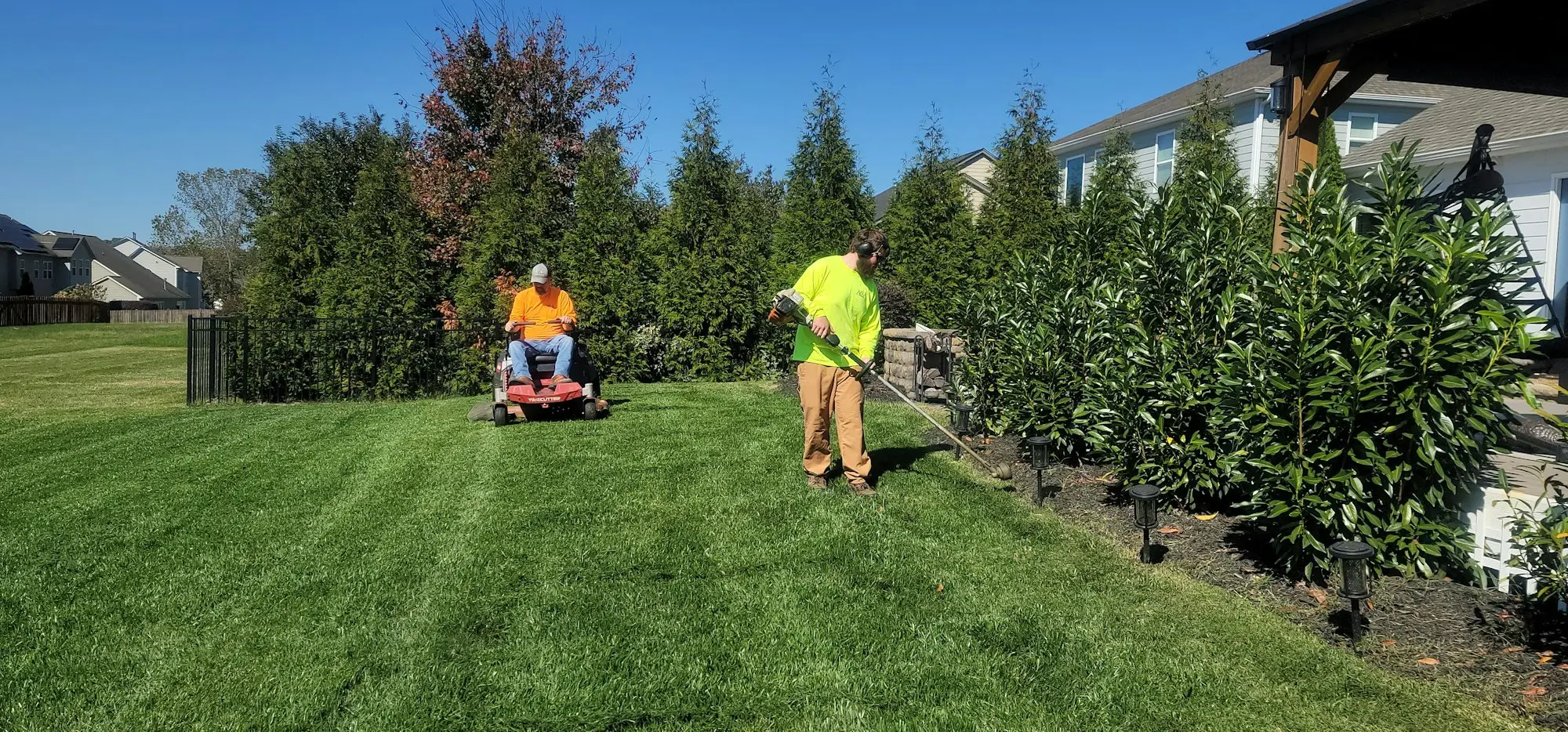
A Ballarat gardener has traded as a sole trader for six years, mowing and maintaining about forty regular properties. He wants $22,000 for a ride-on mower and trailer. His returns are lodged but last year’s understates income because he added a dozen clients since. He’s moved all customer payments into a business account over the past eight months. A lender assesses him on those statements plus the latest BAS and approves a smaller unsecured loan secured against the new equipment. Illustrative only.
Sole trader or company?
Some sole traders wonder if they’d be better off borrowing through a company. For most smaller loans it makes little difference, and restructuring just to borrow can work against you, because the new company has no trading history of its own. Our guide on sole trader vs company when borrowing explains when structure matters and when it doesn’t.
How much can a sole trader borrow?
There’s no fixed ceiling for sole traders. What decides the amount is how much the business banks each month, how much of that you already spend on existing repayments and what you need to live on. A sole trader turning over $15,000 a month with few other debts can usually support a modest unsecured loan. Someone turning over five times that, with clean banking and a lodged BAS, will be offered considerably more. If you own property, it can lift the limit further, because the lender then has security to fall back on.
The guarantee question is simpler for sole traders than for companies. Because you’re already personally liable for the business’s debts, there’s no separate director’s guarantee to sign. That’s one less document, but it also means you should only borrow what the business can comfortably repay. Lenders will ask what else you owe personally, including credit cards and car loans, so have a rough list ready.
Getting ready
- Check your credit file through one of the free services and fix any errors.
- Lodge outstanding BAS, even if you can’t pay the full amount yet.
- Gather a quote for whatever you’re buying.
- Be ready to say roughly what you take out of the business each month to live on.
Talk to one person who understands sole traders
Tell us what you do, how long you’ve been doing it and what you need. There’s no credit check to make an enquiry, your details aren’t fired off to a list of lenders, and one real person reads it and calls you. The more accurately you describe your income and spending, the better your first match. Start your enquiry here.
Frequently asked questions
Can I get a business loan as a sole trader with no tax returns?
Often, yes. Many lenders assess sole traders on bank statements instead, especially for smaller amounts. Property-backed no doc loans need even less.
Does my personal credit score matter?
Yes. As a sole trader you are the borrower, so lenders look at your personal credit file as well as how the business banks.
Do I need to be registered for GST?
No, but if your turnover means you should be, lenders will expect it. A lodged BAS is useful evidence when you are registered.
Should I become a company before I borrow?
Not just to get a loan. Restructuring resets some trading history in a lender's eyes. Talk to your accountant about structure for its own reasons.